

Permission to Play
Reader Question

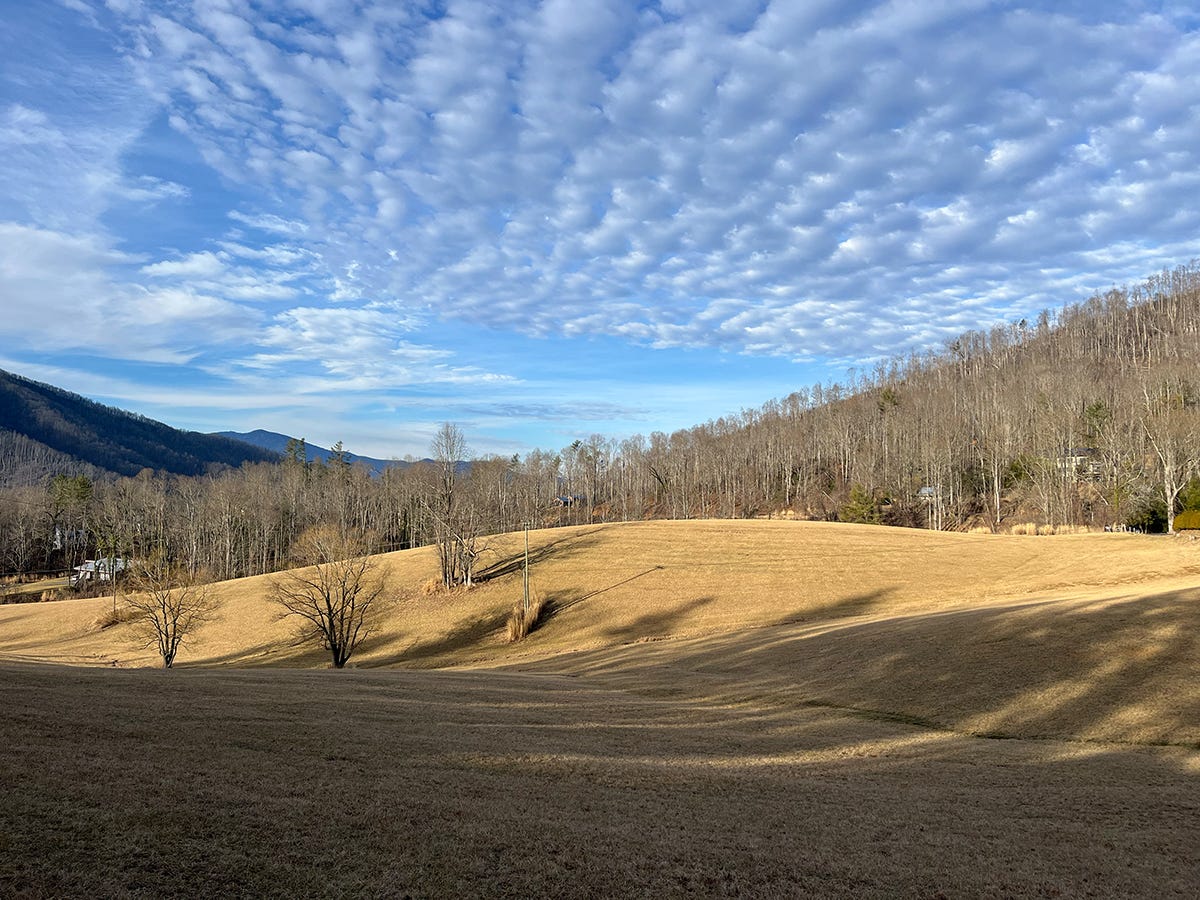
Back in October, E, a 45-year-old artist living in Western North Carolina, shared the following note with me.
My recent life has been consumed with practical concerns—mainly questions about potable water and unexpected home repairs. Against this backdrop, making time for art feels like a stretch and a luxury. Between my day job, a looming commission deadline, and urgent, weather-sensitive home repairs, I’m left with barely enough energy to connect with friends and family, let alone pursue making art.
My question is simple: How do I give myself permission to play creatively when everything else feels like a bigger priority? —E
E, your note is striking in its ability to name so many different parts of you: the homeowner, artist, employee, manager, friend, and permission seeker. Each of your parts can only see a small section of your life’s fuller picture, which makes it easy for them to come into conflict with each other.
When I read your question about permission, it prompts me to ask—What do you fear will happen if you don’t seek permission first? What happens if you set out to play when something more important is calling your attention? What can your permission seeker see that we can’t? Until you understand that, the part of you who’s seeking permission will be calling all the shots.
You say, “I’m left with barely enough energy to connect with friends and family, let alone pursue making art.” Your answer’s right there, E. You give yourself permission to play when you have access to the energy to do so. Right now, you don’t have it and your creative part sounds tired and defeated.
Like your permission seeker who sees the danger we can’t, this defeated part has something important to tell you. I suspect this part knows why creativity is vital for you. And it knows when it’s able to play, with or without permission.
At this moment, your permission seeker is standing in the way of your creativity. It’s trying to protect you but lacks the full perspective you really need to guide you. Only you have that perspective.
A couple of years ago, I moved up to Vermont temporarily to be with my dad. He’d been given a few months to live, and I knew that I wanted to be present during this final phase of his life. Leaving North Carolina meant pausing certain aspects of my life indefinitely, including my home life and studio practice. I decided to bring my coaching with me, but I knew that even this would need to pause at times, too.
In the past, this sort of life-altering situation would have upset my parts and had the potential to pit them all against one another. My daughter part would have believed that doing anything outside of helping my dad was inconsiderate or irresponsible. My home part would have worried that I’d forget about my partner or my pets. My artist part would have feared that stepping away could spell the end of my practice. And my coach part would have believed that pausing my work for any amount of time meant failing my clients.
So, when I made my decision to go north, I also made an agreement with my parts inside of me to do so. Making this agreement looked like listening to each of my parts’ concerns, while also helping them see the bigger picture. Because only I could help them with that.
During those last few months of my dad’s life, I experienced a challenge like no other. Which made me particularly thankful for the team I had inside of me: My daughter part made sure to ask my dad all the questions I could before he died. My self-care part looked out for the moments when I could take a walk or grab a nap. My caregiver part pulled long hours to make sure my dad got the medicine and support he needed. My friend part took the time to feel the love my friends extended to me. My home part felt thankful for my partner who took good care of himself, our house, our pets. My artist part walked down to the art store when it felt a little bit creative. And my coach part knew when I had the ability to be present for my clients and, just as importantly, when I didn’t.
Each of my parts had crucial roles to play and they were all able to tell me when they had the capacity to step in. It was their internal sense of capacity, assessed by way of my own feeling, that allowed me to acknowledge them as I chose whether, how, and when to act.
Permission is twofold. It’s internal and external. And the external factors you face are big enough to overpower any single part of you. That is until your parts learn to work together, not just to be on your side, but to be on your team. A team that’s led by you.
If you’re interested in learning more about this notion of “parts,” I recommend No Bad Parts by Richard C. Schwartz, Ph.D. He created this framework and offers a wonderful exploration of how our internal parts work.
Tools for Repair turns individual challenges, dilemmas, and obstacles into a collective resource for creative life. To contribute, share a question with me.